

09 Feb Celebrating Love Your Wetlands Day in San Diego County
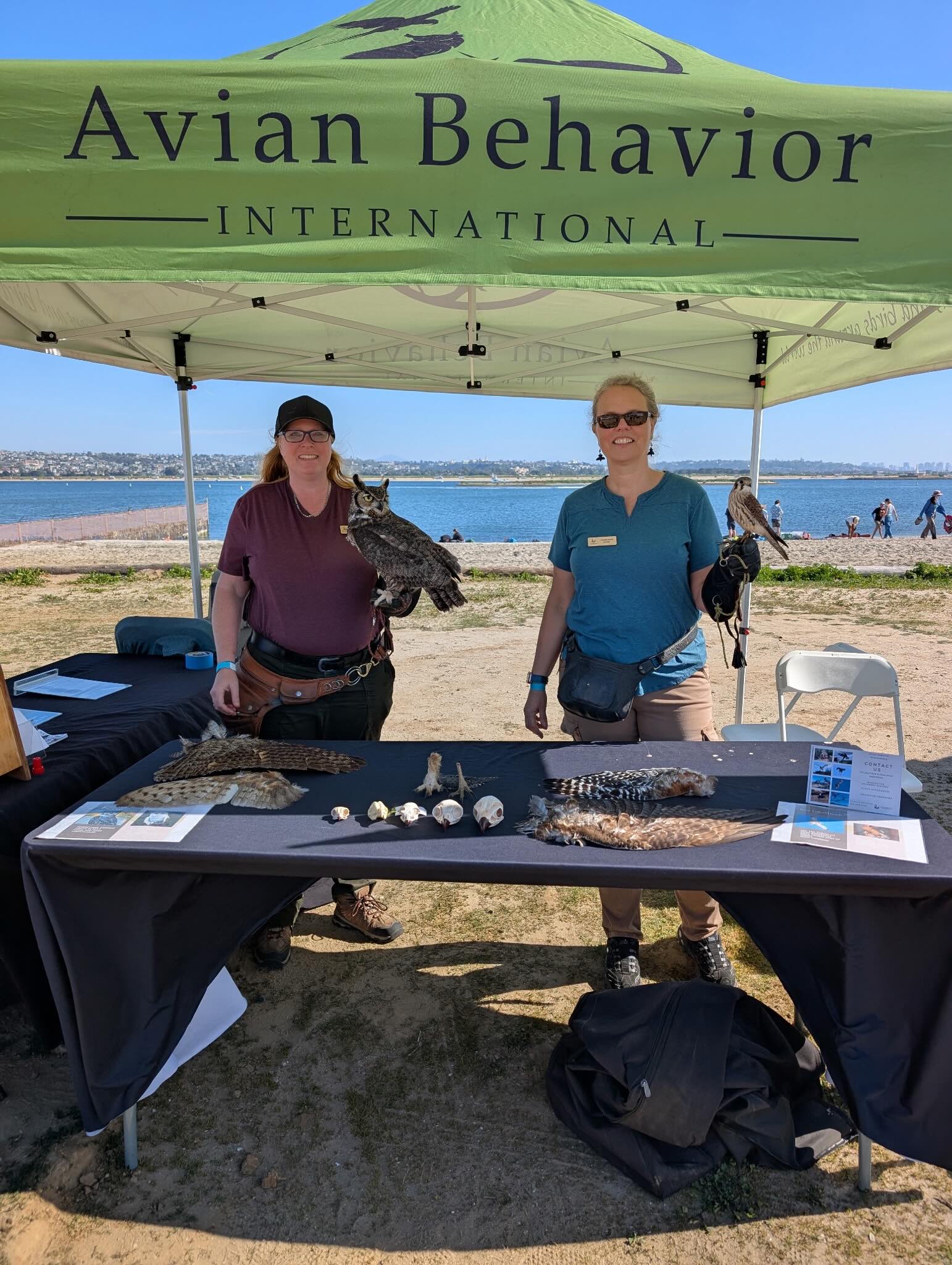
On Love Your Wetlands Day, our team had the opportunity to connect with the community around one of Southern California’s most important—and most overlooked—ecosystems: wetlands. Our birds Aldo the Great Horned Owl and Goldie the American kestrel went to the Love Your Wetlands event in Mission Bay. In a region better known for beaches, chaparral, and desert landscapes, wetlands quietly support an incredible amount of biodiversity and play an outsized role in the health of birds, people, and entire watersheds.
Why Wetlands Matter in San Diego County
Wetlands act as natural infrastructure. They filter pollutants from runoff before it reaches the ocean, absorb floodwaters during heavy rain events, recharge groundwater, and store carbon. In San Diego County, where water scarcity, urban development, and climate change intersect, these services are not optional—they’re essential.
Despite this, over 90% of California’s historic wetlands have been lost to development. What remains is fragmented and often under pressure, making protection, restoration, and public understanding more important than ever.
What Makes Southern California Wetlands Unique
Southern California wetlands exist at the edge of extremes. They experience long dry periods punctuated by intense rain events, sit adjacent to dense urban areas, and often form narrow corridors between land and sea. Estuaries, coastal lagoons, and seasonal freshwater wetlands all function differently here than in other parts of the country.
These systems are dynamic. Salinity shifts, water levels fluctuate rapidly, and wildlife must be highly adaptable. Birds that use these habitats—especially raptors—rely on wetlands not just as places to hunt, but as stable anchors in an otherwise unpredictable landscape.
How Wetlands Support Raptors
Wetlands support raptors in both direct and indirect ways:
- Reliable prey bases: Healthy wetlands support rodents, fish, amphibians, and waterbirds—key food sources for species like Northern Harriers, Ospreys, and White-tailed Kites.
- Open hunting grounds: The structure of wetlands allows raptors to hunt efficiently, whether quartering low over marshes or scanning from perches.
- Migration and stopover habitat: For migrating raptors, wetlands provide crucial refueling points along flyways.
- Indicator species: Raptors are sensitive to environmental toxins and habitat disruption. Their presence—or absence—can tell us a great deal about wetland health.
When wetlands decline, raptors feel it quickly.
How Local Residents Can Make a Difference for Birds
Protecting wetlands isn’t just the work of scientists and land managers. Community action matters deeply. Here are a few ways residents can help:
- Support wetland conservation and restoration projects through local organizations and land trusts.
- Reduce runoff pollution by limiting fertilizer and pesticide use at home and properly disposing of hazardous waste, such as batteries, engine oil, and household chemicals.
- Respect sensitive habitats by staying on trails and keeping dogs leashed, and cleaning up their feces near wetland areas.
- Advocate locally—wetland protections often hinge on city and county-level decisions.
- Learn and share—bringing friends, families, and students to wetland programs builds long-term stewardship.
Love Your Wetlands Day reminded us that conservation starts with connection. When people understand how these ecosystems function—and how closely bird survival is tied to them—they’re far more likely to protect them.
Wetlands may look like a simple overpass or gulley as we drive from urban area to urban area, but for raptors and countless other species in Southern California, they are lifelines worth defending.